
When BS 5839-1:2025 came into effect on 30 April 2025, it marked one of the most significant overhauls of fire detection and alarm system standards in recent years.
Replacing the 2017 edition, the revised standard brought clarity, tightened compliance, and raised expectations across the board — especially in the design and integration of life safety systems in complex, high-risk buildings.
At FDS Consult UK, where we deliver compliant fire strategies for residential, commercial and mixed-use schemes, this update was far from a routine change. It reshaped how compliant fire alarm systems must now be approached — from risk assessment and design through to documentation and maintenance.
What Changed – and Why It Matters
BS 5839-1:2025 introduced a host of key updates that now influence design decisions across modern developments:
- Reinforced risk-led design – Greater alignment with fire risk assessments, with clearer expectations on selecting system category (L1–L5, P1–P2) based on real occupant risk and building use.
- Stronger protection for sleeping accommodation – Smoke detectors prioritised over heat detectors in bedrooms; L2 systems now explicitly include sleeping risk areas.
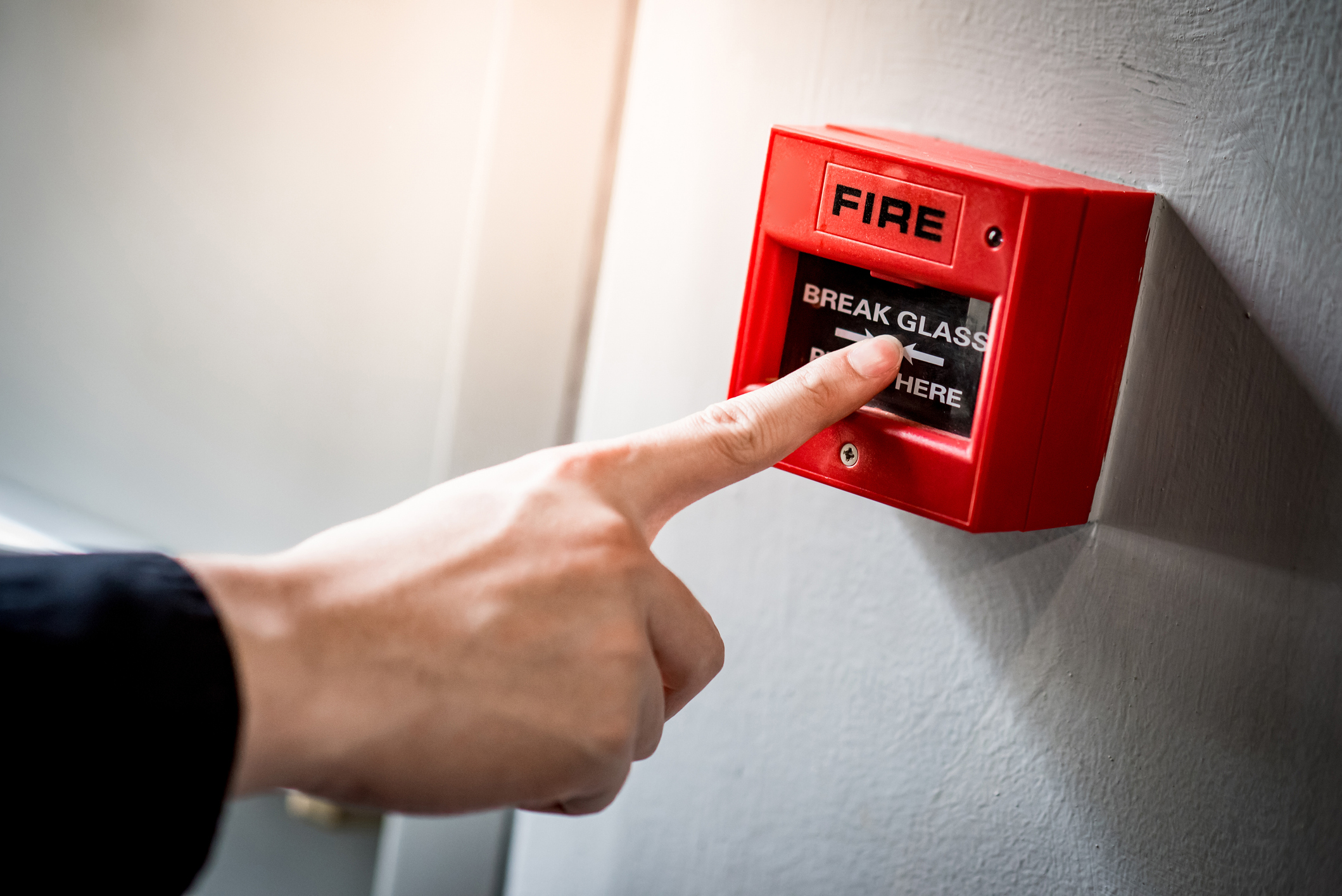
- Manual call points and lift shaft coverage – Updated guidance on positioning, plus new expectations like detection at the top of lift shafts for L4 systems.
- Improved integration and interface standards – Revised approach to ancillary systems, including clearer rules for accessibility and performance of fire alarm interfaces.
- Stricter documentation and competence requirements – Updated certification formats, enhanced commissioning and maintenance protocols, and a stronger focus on CPD for responsible persons and maintainers.
From Design to Delivery – Getting Compliance Right
For developers, main contractors and M&E consultants, this revision highlighted the importance of involving fire alarm system designers early — ideally at fire strategy stage. The margin for variations or undocumented decisions has tightened, and the emphasis on traceability and competence is now firmly embedded in the standard.
Whether you’re designing a new high-rise residential development, retrofitting an existing commercial property, or reviewing your fire safety provisions under the Fire Safety Order, the principles introduced in BS 5839-1:2025 continue to shape how compliant fire alarm systems are delivered.